You explain things for a livingas a founder.
Say the thing you're trying to get across. You get a whiteboard you can put in front of anyone.
Free to try. No card.
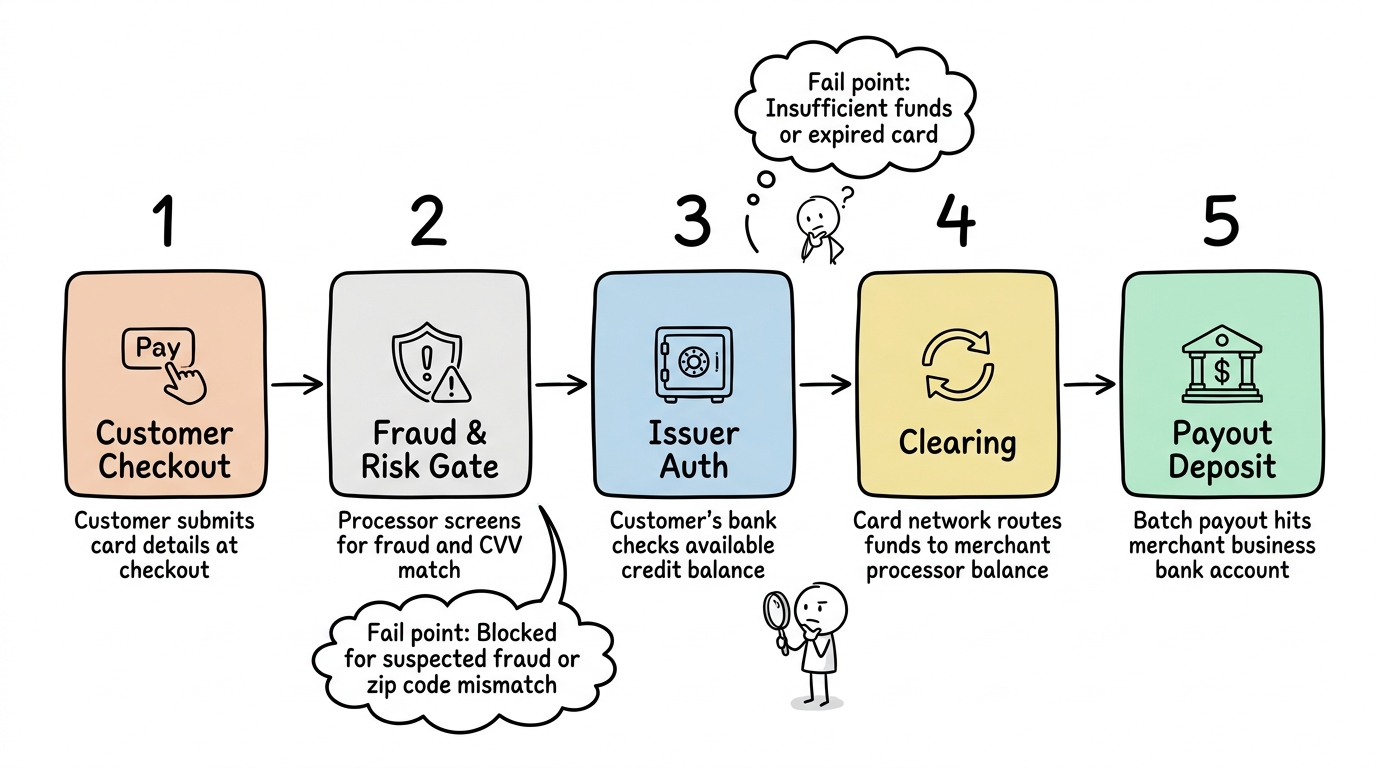
Payment Lifecycle: From Click to Bank Deposit — about a minute after asking.
It works the way you'd explain it to a colleague.
- 1
Say it in your own words
The thing you're explaining, and who's on the other side of it.
or start from a layout below - 2
Give it a minute
It works out what goes in a box, what gets an arrow, and what order it reads in.
- 3
Put it in front of them
The slide, the doc, the post — wherever the conversation is already happening.
see what comes back
Six shapes. Yours is one of them.
Most things worth explaining are a sequence, a choice, a comparison, a middle with parts, a stack, or a stretch of time. Pick the one that sounds like yours — or leave it on Auto and let it decide.
Step-by-Step
A process in order
It happens in an order, nothing branches, and people keep asking what comes after what.
What was typed
“Everything that happens between a customer clicking Pay and the money landing in your bank account, including where it can fail”
for a founder who has never had to debug a failed payment
Or in this layout:
Opens the form filled in. Nothing is drawn until you say so.
Every one of these started as a sentence.
Hover any of them to read it.
Founders and operators
The numbers conversation, and the one where money goes missing.
“Everything that happens between a customer clicking Pay and the money landing in your bank account, including where it can fail”
for a founder who has never had to debug a failed payment
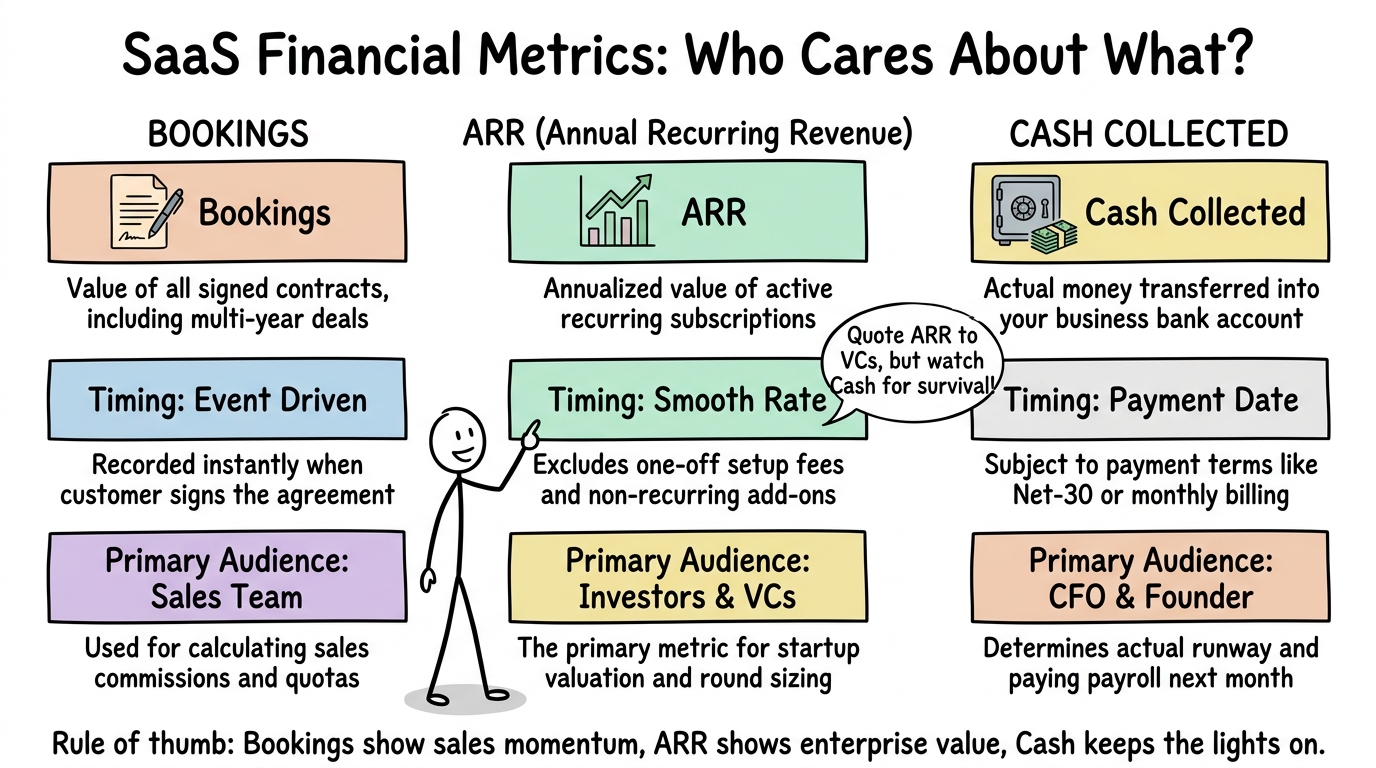
“Why ARR, bookings and cash collected are three different numbers, and which one to quote to whom”
for a first-time founder about to talk to investors
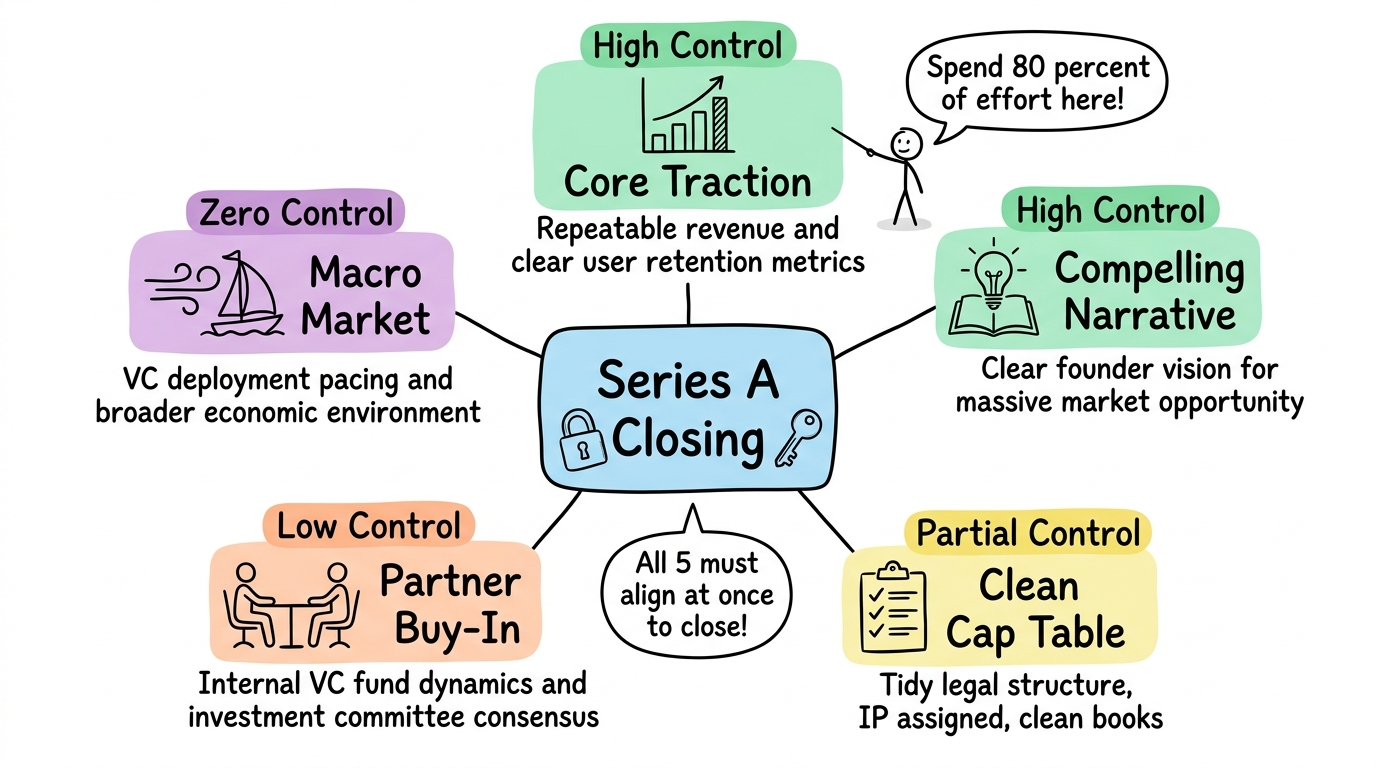
“Everything that has to be true at the same time for a Series A to close, and which of those you can actually control”
for a founder deciding whether to start raising now
Engineering leads
The migration, the legacy call, and the thing nobody wants to own.
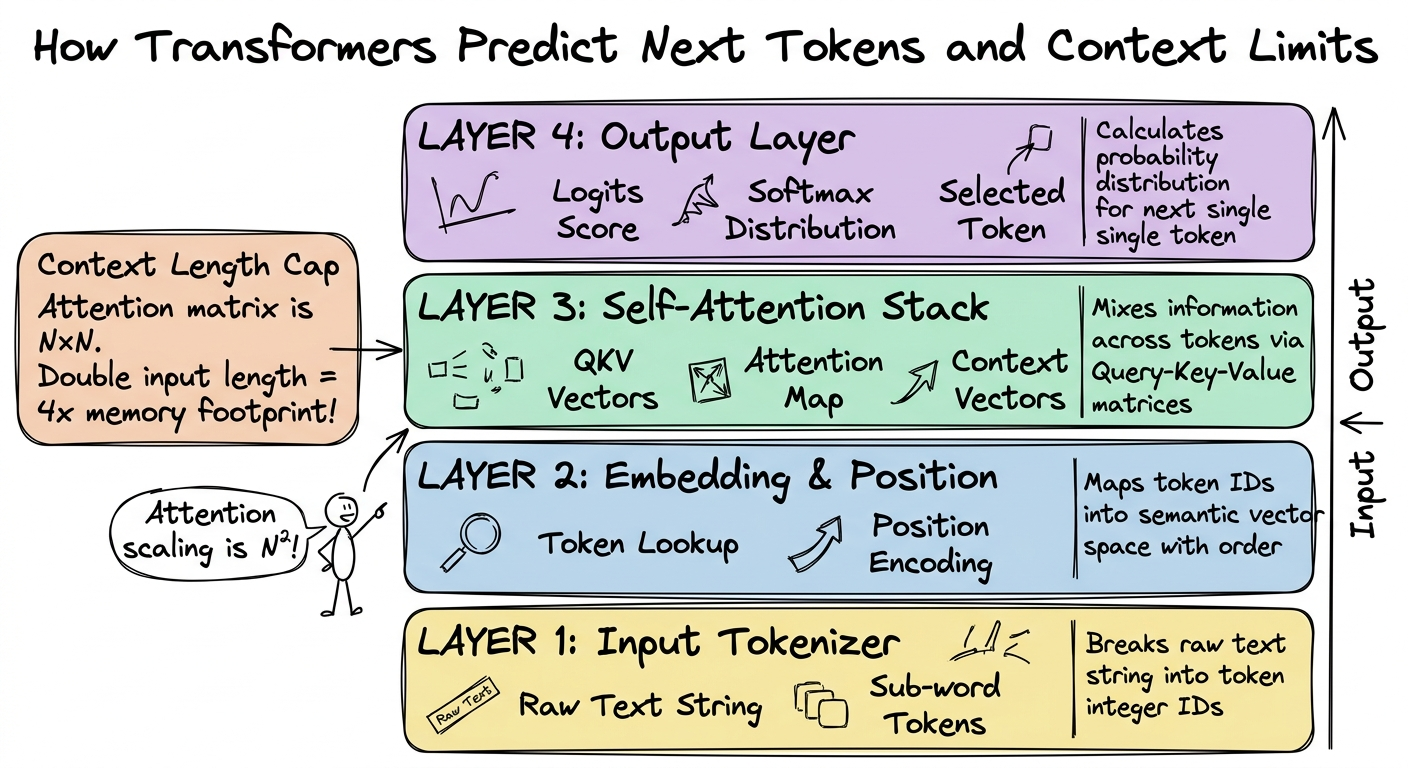
“How a transformer turns a sentence into a prediction: tokens, embeddings, attention, and why context length is a hard limit”
for a smart engineer who has never trained a model
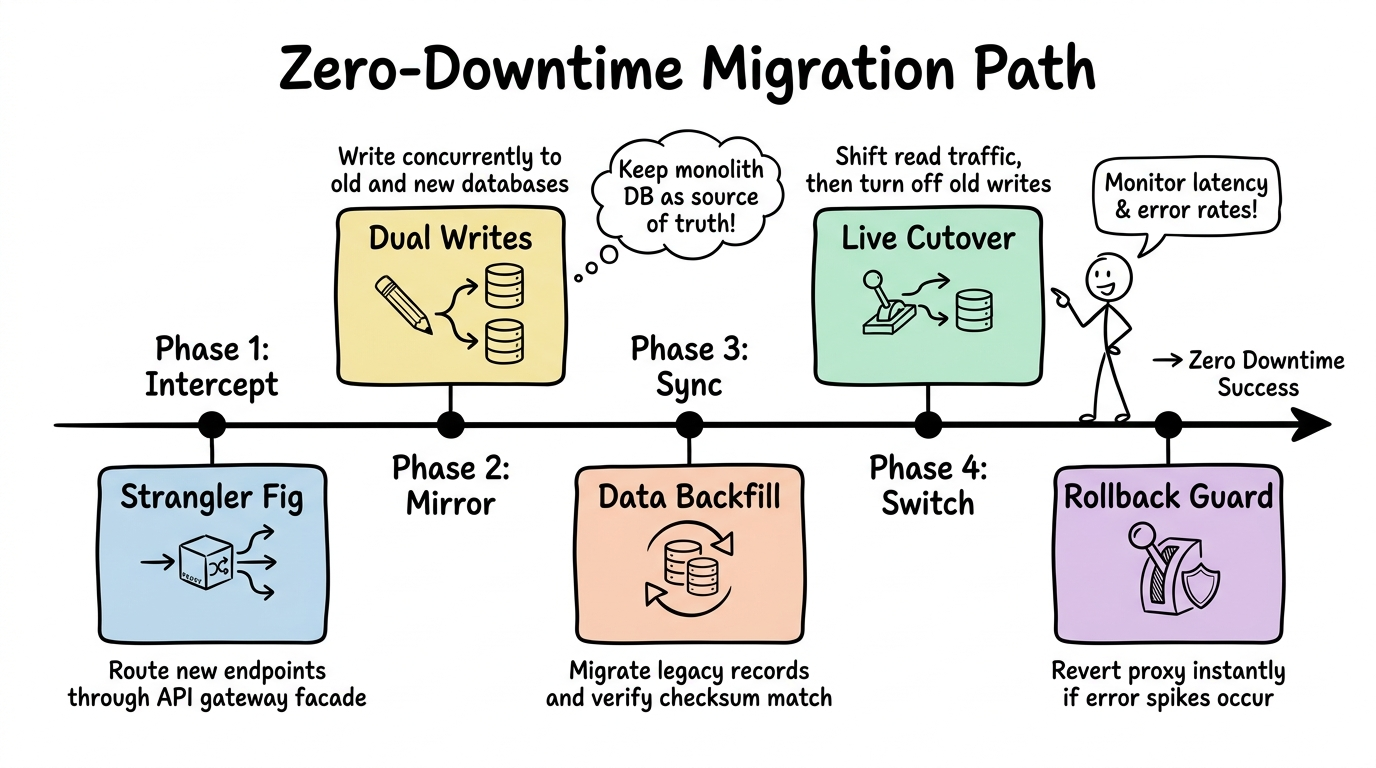
“How to move thirty services off a monolith without downtime: strangler fig, dual writes, backfill, cutover, and when to roll back”
for an engineering team that has never done a live migration
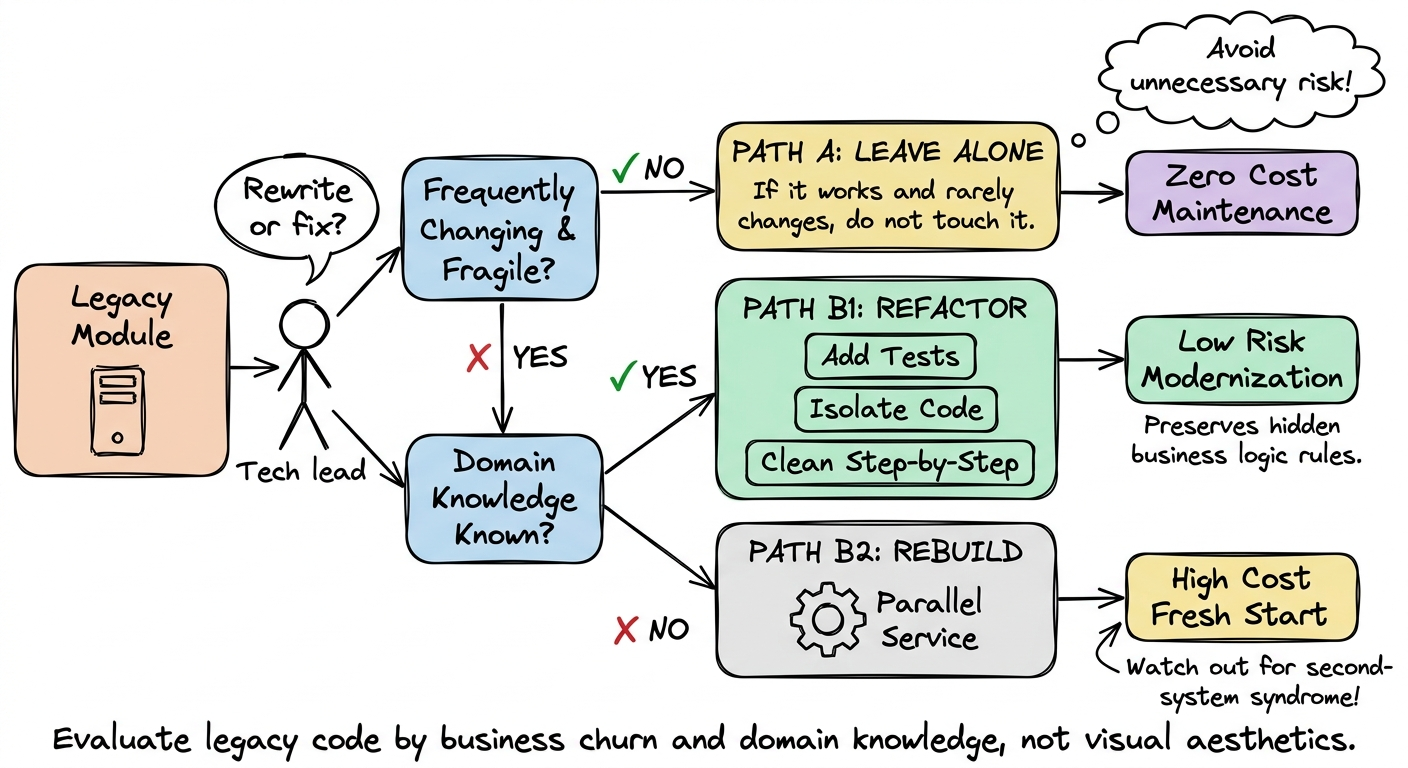
“Rebuild, refactor, or leave it alone: how to decide what to do with legacy code, and the cost of getting it wrong”
for a tech lead who has inherited a codebase nobody understands
Creators
Where the work comes from, and why people stay or leave.
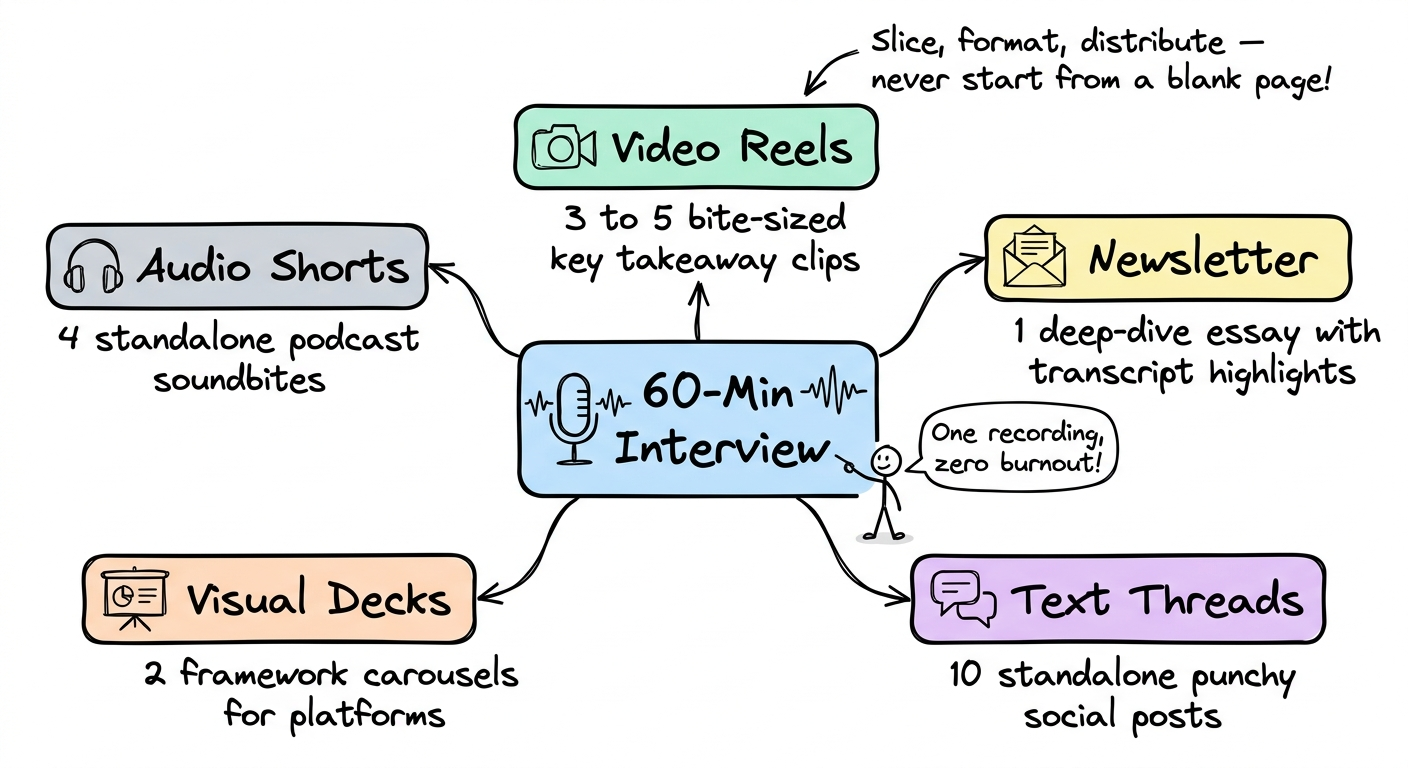
“How to turn one sixty-minute interview into a month of posts, clips and a newsletter without repeating yourself”
for a creator who burns out making everything from scratch
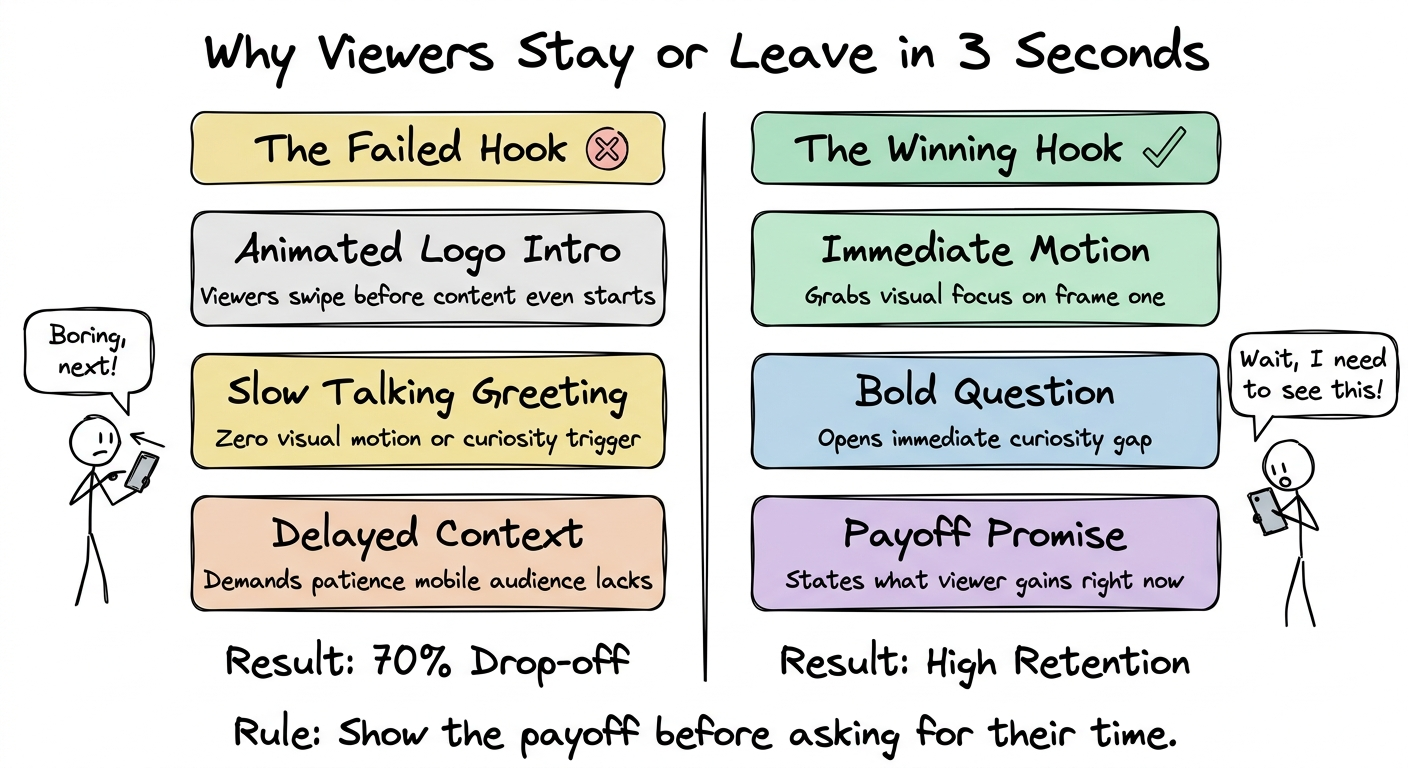
“Why the first three seconds of a video decide whether anyone watches the rest, and what a hook that works does differently from one that does not”
for someone whose videos lose half their viewers immediately
Teachers and explainers
Money, mostly — the things everybody is quietly unsure about.
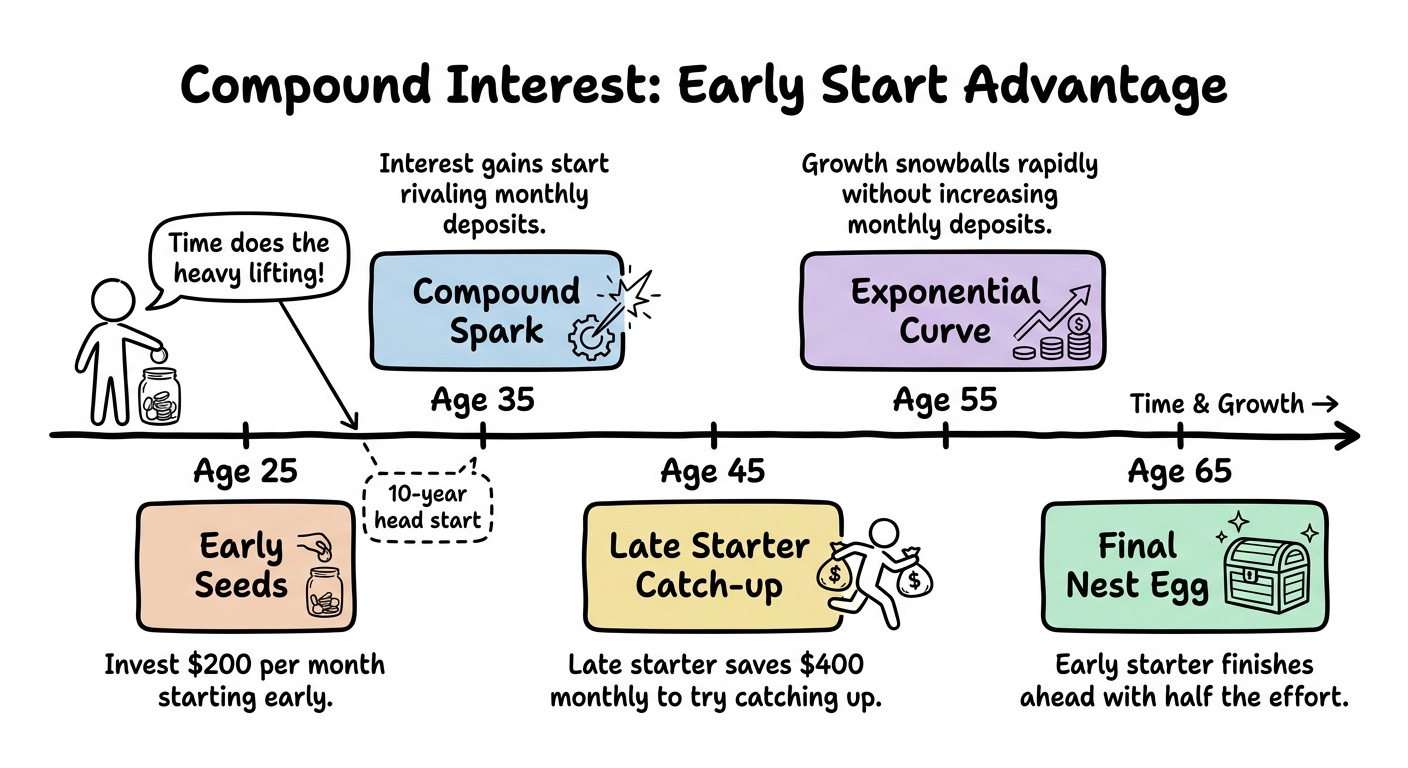
“Why starting ten years earlier beats saving twice as much later, and how compound interest quietly does the work”
for a twenty-five-year-old who has never opened an investment account
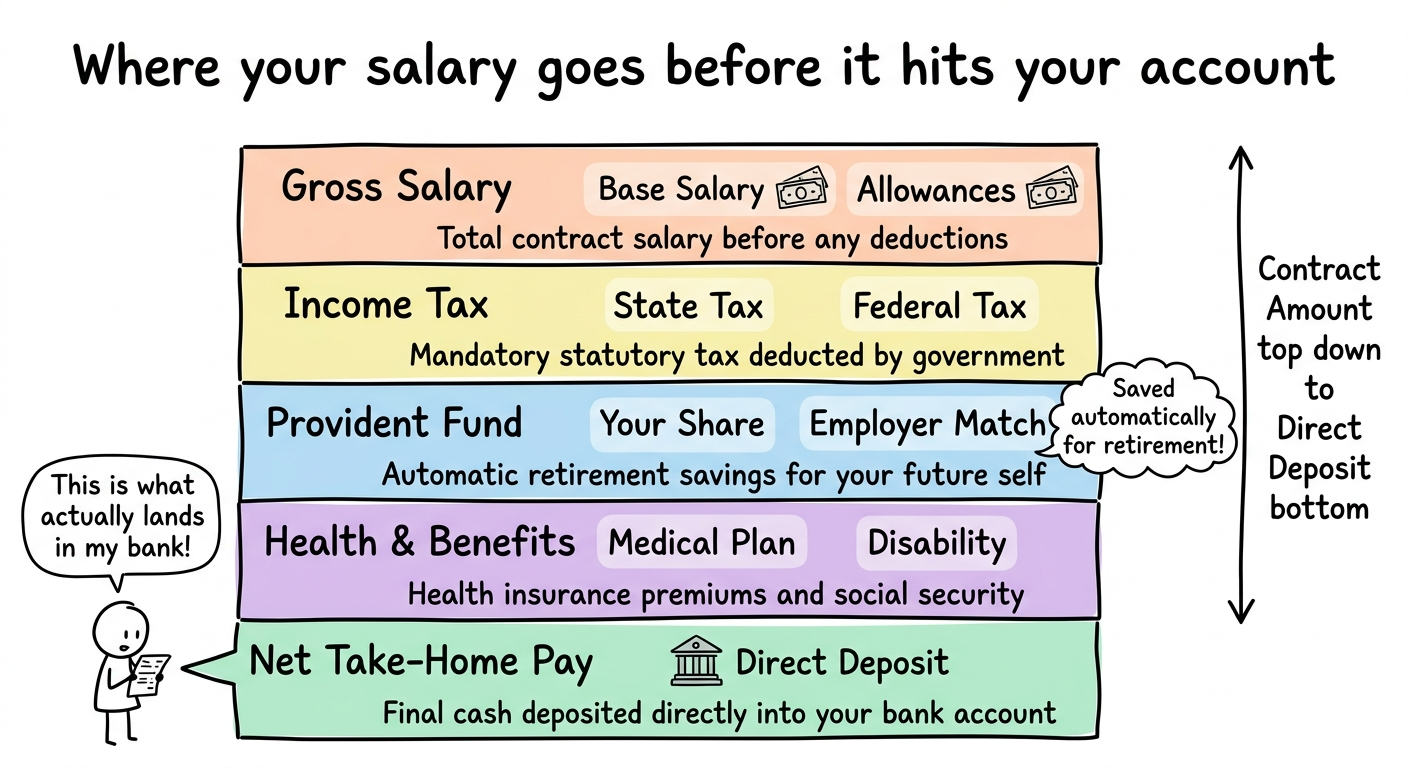
“Where your salary actually goes before it reaches you: tax, provident fund, deductions, and what take-home pay really means”
for someone reading their first payslip
One plan. No seats, no credits to decode.
$19/ month
- No watermark
- 50 explainers a month
- Everything we ship next
Cancel anytime.
Free
- Two explainers, watermarked
- No card
Not now? We'll tell you when the next seats open.